
If you have noticed paint lifting, curling, or swelling on your walls, trim, or siding, you are not alone. A lot of homeowners are surprised when a paint problem shows up even though the surface was painted not that long ago. At first glance, it can be hard to tell what you are looking at. Is the paint peeling? Is it bubbling? Is it just old paint wearing out, or is it a sign of something more serious going on underneath?
That is exactly why understanding peeling paint vs bubbling paint matters. These two paint problems may look similar from across the room, but they usually point to different causes. In many cases, they also require different repair steps. If you misread the issue, it is easy to waste time and money repainting over a problem that is just going to come back.
At Showstopper Painting, we help homeowners throughout Virginia Beach, Chesapeake, Norfolk, and Suffolk figure out what their paint is trying to tell them. As a family-owned local painting company, we have seen how coastal weather, humidity, seasonal moisture, and everyday wear can affect both interior and exterior paint. In this part of Virginia, paint does not just have to look good. It has to hold up against real conditions.
The good news is that paint failure usually leaves clues. Once you know what to look for, you can better understand whether you are dealing with a cosmetic issue, a moisture problem, a prep problem, or a bigger warning sign that should not be ignored. In this guide, we will walk through what peeling paint and bubbling paint actually are, what causes them, what they may mean, and when it makes sense to call in a professional painter.
What Is Peeling Paint?
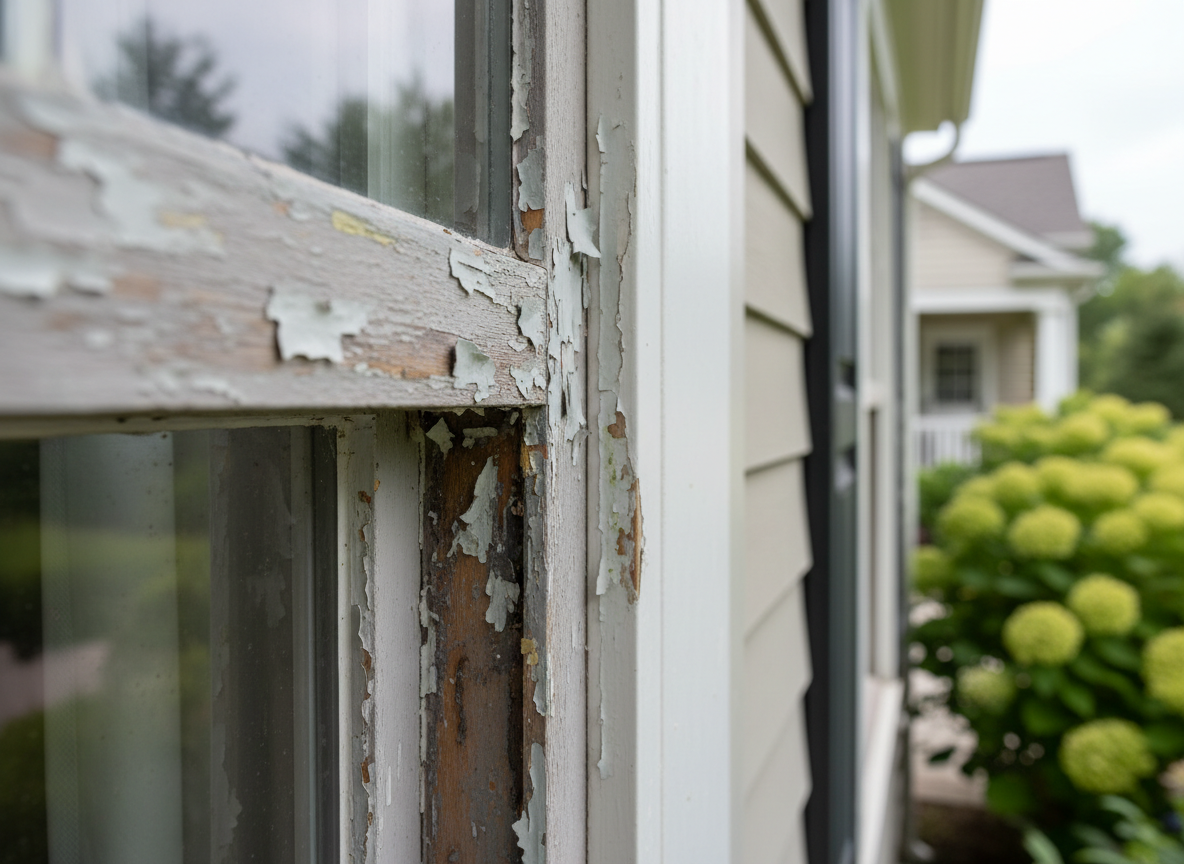
Peeling paint is what happens when the paint film loses its bond with the surface underneath and starts pulling away. Sometimes it appears as small flakes at first. Other times it shows up as curling edges, cracking patches, or strips of paint that seem to lift right off the wall or siding. In more advanced cases, the paint can separate in larger sheets and expose the bare material underneath.
For most homeowners, peeling is easier to recognize than bubbling because it looks more dramatic. The paint is clearly no longer attached the way it should be. You may notice it around windows, door frames, ceilings, baseboards, bathrooms, kitchens, or on exterior siding and trim. It often starts in one weak area and then spreads as the bond continues to fail.
One of the key things to understand about peeling is that it usually means the problem has already moved past the early stage. The paint is not just under pressure. It has already let go. That is why peeling often points to a breakdown in adhesion. Something has caused the coating to stop sticking, whether that is moisture, old age, poor preparation, too many paint layers, or weather exposure.
On interior surfaces, interior paint peeling often shows up in rooms where moisture and temperature changes are common. Bathrooms are a big one, especially when ventilation is poor. Kitchens can also be trouble spots because of steam, grease, and changing humidity levels. Around windows, condensation can slowly wear down the paint bond over time. Even a small amount of recurring moisture can create a weak point that eventually starts to peel.
On the exterior of a home, peeling paint is usually tied to weather and exposure. Rain, sun, humidity, salt air, and worn-out caulk all put stress on the paint system. In coastal Virginia, those conditions are not rare. They are part of everyday life. If the surface was not prepped correctly or if water has found a way behind the coating, peeling can happen much sooner than homeowners expect.
What Is Bubbling Paint?
Bubbling paint looks different, even though homeowners sometimes confuse it with peeling at first. Instead of lifting away in flakes or strips, bubbling paint forms raised pockets or blisters under the paint film. These spots may be small and scattered, or they may appear in clusters. Some bubbles are firm. Others feel soft or hollow when touched.
If peeling means the paint has already lost its grip, bubbling usually means pressure is building underneath the surface. Something is pushing the paint outward before it fully separates. In many cases, those bubbles eventually break open, dry out, and turn into peeling later. That is one reason it is helpful to catch bubbling early if you can.
Homeowners often search for terms like bubbling paint on walls, why paint bubbles, or exterior paint bubbling when they first notice this issue. It can show up on drywall, plaster, trim, ceilings, siding, soffits, and other painted surfaces. Sometimes it appears soon after painting. Other times it develops months later after weather, humidity, or moisture starts affecting the coating.
Visually, bubbling tends to look more swollen than peeling. Instead of edges curling away from the surface, the paint film stays mostly intact at first but lifts upward into little domes or blisters. That difference matters because it tells you something about where the failure may be starting. Bubbling often points to trapped moisture, heat, or contamination underneath the paint layer. Peeling more often points to a bond that has already broken down.
In real homes, the two problems can overlap. A wall may start with bubbling and later turn into peeling. An exterior trim board may show both at the same time in different areas. That is why it is important not to focus only on appearance. You also want to think about where it is happening, whether moisture is involved, and whether the problem is getting worse.
Peeling Paint vs Bubbling Paint
Here is a side-by-side look at the difference between the two:
| Category | Peeling Paint | Bubbling Paint |
| Appearance | Flaking, curling, cracking, or strips lifting off | Raised blisters, bubbles, or swollen pockets under paint |
| What it means visually | The paint bond has already failed | Pressure is building beneath the paint film |
| Common causes | Moisture, poor prep, old paint layers, adhesion failure, weather exposure | Trapped moisture, heat, painting over dirt or damp surfaces, poor application conditions |
| Typical locations | Windows, trim, siding, bathrooms, kitchens, ceilings, older walls | Exterior siding, bathroom walls, ceilings, recently painted areas, sun-exposed surfaces |
| Urgency level | Moderate to high, especially if bare substrate is exposed | Moderate, but can become serious if moisture is involved |
| Repair approach | Remove loose paint, fix root cause, prep thoroughly, prime, repaint | Open affected area, identify cause, dry surface, prep correctly, prime, repaint |
When homeowners compare peeling paint vs bubbling paint, the biggest takeaway is this: peeling usually tells you the paint has already lost adhesion, while bubbling usually tells you something underneath is actively interfering with the paint film. Both are warning signs. Neither should be ignored. But the “why” behind them is often a little different.
What Causes Peeling Paint?
There is rarely just one simple answer to why paint peels. Most of the time, peeling happens because the paint system has been under stress for a while. The visible peeling is just the final stage of a problem that has been building underneath.
One of the most common peeling paint causes is moisture. Paint needs a clean, dry, stable surface to hold properly. When water gets behind the paint film, it weakens the bond between the coating and the material underneath. That water may come from a roof leak, plumbing issue, failed caulk, poor ventilation, condensation around windows, or repeated exposure to rain and humidity outdoors. Once moisture starts breaking that bond, the paint can begin to curl, crack, and peel away.
Moisture-related peeling is especially common in bathrooms, kitchens, laundry rooms, and around windows. On exteriors, it often shows up on trim boards, fascia, soffits, siding joints, and lower areas of the home where water tends to collect or work its way in. In Virginia Beach and nearby areas, humidity and coastal conditions can make these problems worse because surfaces stay damp longer and seasonal moisture levels stay high.
Poor surface preparation is another major cause. This is one of the biggest reasons paint can fail earlier than expected. If a wall, trim board, or siding surface was painted over dust, chalky residue, grease, mildew, glossy old paint, or loose material, the new paint may never have bonded correctly. It might look fine for a while, but over time that weak bond starts to fail. Eventually, the paint begins peeling because it was never truly attached the way it should have been.
This is why prep matters so much in professional painting. A lot of people think painting is mostly about the final coat, but the real durability comes from what happens before the brush or sprayer even touches the surface. Cleaning, sanding, scraping, repairing, priming, and making sure the material is dry are all part of what helps paint stay put.
Another common cause of peeling is age. Older homes often have layer upon layer of paint built up over many years. As those layers expand and contract with temperature and humidity changes, they can lose flexibility. Over time, the stack of coatings becomes more brittle and more likely to separate. In some cases, even if the newest coat was applied correctly, the failure starts lower down in the old layers and works its way to the surface.
Weather exposure also plays a major role, especially outside. Sun, rain, wind, and temperature swings all put stress on exterior paint. In coastal Virginia, salt air adds another layer of wear. If the paint system is already aging or if the surface was not sealed well, those conditions can speed up deterioration. Homeowners often first notice the issue in the most exposed areas of the home, where sunlight and moisture hit hardest.
Sometimes peeling also points to a mismatch in products or application conditions. If the wrong primer was used, if latex paint was applied over a slick surface without proper prep, or if the coating was applied in poor weather, the bond may fail sooner than expected. These are the kinds of paint failure signs that can frustrate homeowners because the paint job may not seem that old. But if the system underneath was flawed, the failure can still happen early.
What Causes Bubbling Paint?
Bubbling paint is usually caused by pressure forming under the paint film. The question is what is creating that pressure. In many cases, the answer is trapped moisture. Water vapor gets behind the coating and tries to escape, pushing the paint outward into blisters or bubbles. This can happen indoors or outdoors, and it is one of the most common reasons homeowners ask why paint bubbles.
Inside the home, bubbling often shows up in bathrooms, kitchens, laundry rooms, and near windows. Steam from showers, cooking moisture, and poor ventilation can all contribute. If a wall was painted when it was still damp, or if there is a hidden leak behind the drywall, the moisture may eventually push its way into the paint layer. The result is bubbling that may seem to appear out of nowhere.
Outside, exterior paint bubbling often happens when moisture gets behind siding or trim and then heat intensifies the problem. After a rainstorm, for example, water may work its way into small gaps around joints, nail holes, or failed caulk lines. Then when the sun hits the surface, that trapped moisture expands and pushes against the paint film. Homeowners may notice bubbles after wet weather and assume the rain itself caused the problem overnight, but usually the issue has been developing for a while.
Heat alone can also cause bubbling in some cases. If paint is applied in direct sunlight or on a surface that is too hot, the outer layer may dry too quickly. That can trap solvents or moisture underneath before the coating has cured properly. As the trapped material expands, bubbles form. This is one reason experienced painters pay close attention to timing, temperature, and surface conditions instead of just looking at the forecast and assuming it is a good painting day.
Dirty or contaminated surfaces can also lead to bubbling. If paint is applied over grease, soap residue, dust, mildew, or chalky buildup, the coating may not adhere evenly. Those contaminants can interfere with the bond and create weak spots where bubbling develops later. The same goes for painting over a damp surface. Even if it feels mostly dry to the touch, a little trapped moisture can still cause trouble once the paint seals it in.
In some cases, bubbling is tied to a larger paint system problem. Maybe the previous coating was already failing. Maybe the surface needed more prep than it got. Maybe the wrong product was used for the environment. Whatever the reason, bubbling is usually a sign that the paint is reacting to something underneath rather than simply wearing out on the surface.
Why Moisture Matters So Much
If there is one issue that connects both peeling and bubbling, it is moisture. Paint can handle a lot, but it is not meant to hide an active water problem. When moisture gets behind the coating, the paint often becomes the first visible sign that something is wrong.
That is why moisture damage paint issues deserve attention. The paint itself may be the symptom, but moisture is often the root cause. If you only scrape, patch, and repaint without solving the water issue, the repair may look good for a little while and then fail again. This is one of the most common reasons homeowners feel like they are stuck in a cycle of touch-ups that never last.
Inside the home, moisture can come from obvious places and hidden ones. Bathrooms are a classic example. If a bathroom does not have good ventilation, steam can build up on walls and ceilings over time. Kitchens can create similar problems because of cooking moisture and grease in the air. Laundry rooms can stay humid as well. Around windows, condensation can slowly wear down paint even if there is no dramatic leak. Small, repeated moisture exposure is enough to weaken the paint bond over time.
On the outside of the home, moisture has even more ways to get in. Rain, humidity, dew, and coastal air all affect painted surfaces. If caulk is failing, flashing is compromised, or siding joints are not sealed well, water can work behind the coating. In places like Virginia Beach, Chesapeake, Norfolk, and Suffolk, the combination of humidity and coastal weather makes that even more important. Surfaces do not always dry as quickly as homeowners think, and that lingering moisture can quietly damage the paint system.
This is also why seasonal timing matters. A surface may seem ready for paint, but if humidity is high or the material still holds moisture from recent weather, the coating may not cure the way it should. That can lead to bubbling, peeling, or both. In our area, local conditions matter just as much as the product itself.
When It’s a Cosmetic Issue vs a Bigger Warning Sign
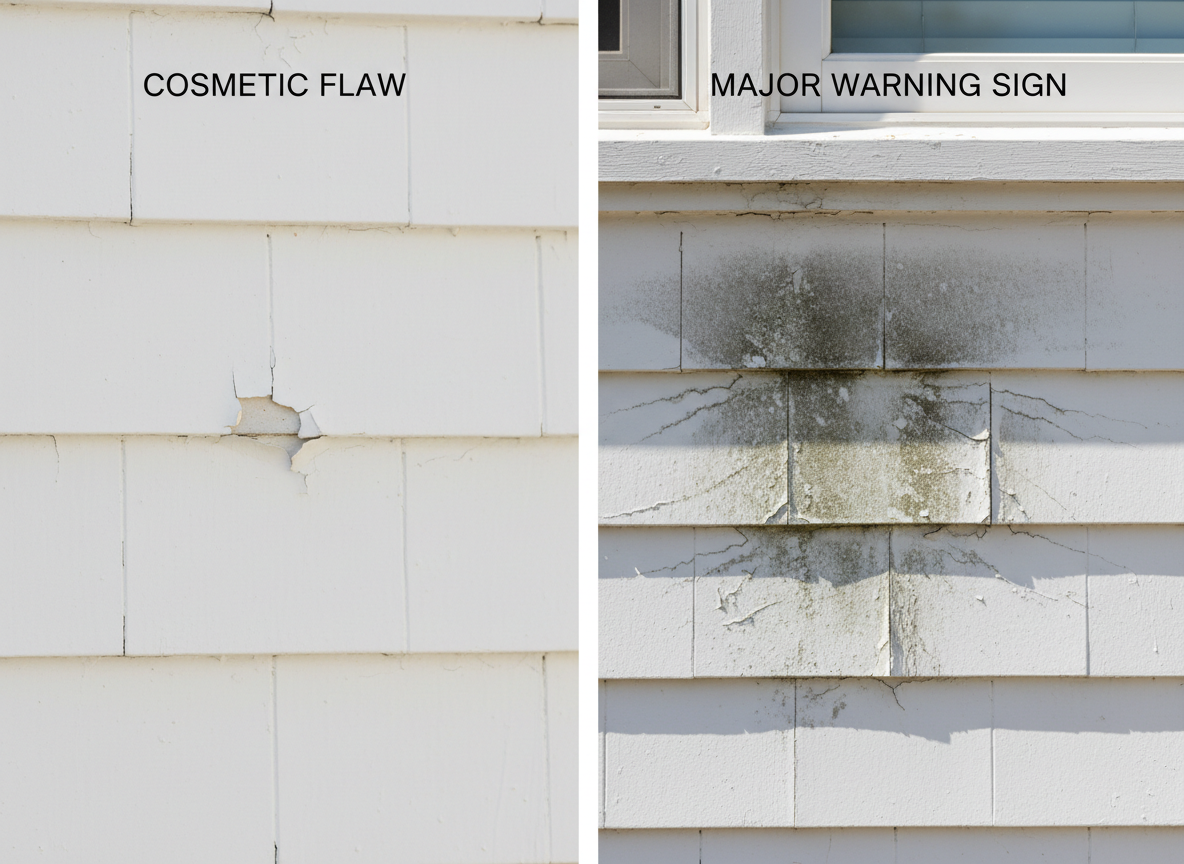
Not every paint problem means there is major damage behind the wall or siding. Sometimes a small area of peeling or bubbling really is limited to the paint layer itself. Maybe the surface was not prepped well in one spot. Maybe an older patch repair was painted too soon. Maybe a little wear around a window sill or trim board has finally caught up with the coating. In those cases, the issue may be mostly cosmetic and repairable with the right prep and repainting process.
But there are also times when paint failure is telling you something more serious. If the same area keeps bubbling or peeling after repairs, that is a red flag. If the surface feels soft, swollen, or crumbly underneath, that is another one. If you see staining, mildew, musty smells, or signs of repeated dampness, the issue may go beyond paint and point to water intrusion or substrate damage.
A good way to think about it is this: a cosmetic issue usually stays small, dry, and surface-level. A bigger warning sign tends to spread, return, or come with other clues. If the paint problem is isolated and the material underneath is solid, it may be a straightforward repair. If the area keeps changing, feels damaged, or seems tied to moisture, it deserves a closer look before anyone starts repainting.
This distinction matters because paint can only perform as well as the surface underneath it. If drywall is wet, if wood is rotting, or if water is still entering the home, a new coat of paint is not really a fix. It is just a temporary cover. That is why honest diagnosis matters so much.
What Homeowners Should Do Next
If you are trying to figure out what to do when you see bubbling or peeling paint, this table gives a practical starting point:
| What you see | What it might mean | What you should do first | When to call a pro |
| Small peeling spot on trim | Aging paint or minor prep failure | Check for leaks, inspect caulk, remove loose paint | If it keeps coming back or the wood feels soft |
| Bubbles on a bathroom wall or ceiling | Humidity, trapped moisture, or poor ventilation | Improve airflow, inspect for leaks, let area dry | If bubbling spreads or drywall feels soft |
| Exterior paint bubbling after rain | Moisture behind the paint film | Check siding joints, seals, drainage, and caulk | If multiple areas are affected or it repeats |
| Large peeling sections on siding | Failed paint system or weather damage | Avoid painting over it and inspect the substrate | Call right away if bare wood is exposed |
| Repeated peeling around windows | Condensation, failed seals, or water intrusion | Inspect flashing, caulk, and window condition | If staining, swelling, or rot is present |
| Blisters on a recently painted wall | Surface may have been dirty, damp, or painted too soon | Let it dry fully and inspect the prep conditions | If you are unsure what caused it |
Can You Fix It Yourself?
The honest answer is sometimes yes, and sometimes no. A small, isolated area of paint failure can be a reasonable DIY project if the cause is clear and the surface underneath is still in good shape. If you know the area is dry, stable, and not tied to a larger moisture problem, you may be able to repair it successfully.
For example, if you have a small patch of peeling paint on an interior trim board and there are no signs of leaks or damage, the basic process may be manageable. That usually means scraping away all loose paint, sanding the edges smooth, cleaning the area thoroughly, allowing it to dry fully, priming the exposed surface, and then repainting with the right product. The same general idea applies if you are trying to figure out how to fix peeling paint in a limited area.
If you are dealing with bubbling, the process is similar in principle but a little trickier in practice. To fix bubbling paint, you need to understand what caused the bubble in the first place. If the issue came from trapped moisture, heat, or a damp surface, repainting without correcting the cause will almost always lead to another failure. That is where DIY repairs often go wrong. Homeowners fix what they can see, but the real issue is still active underneath.
DIY becomes much riskier when the problem is larger than it looks. If multiple rooms are affected, if the same area keeps failing, if the surface feels soft, or if the issue is on exterior siding or trim exposed to weather, it is usually smarter to bring in a professional. The same goes for situations where you are not sure whether the problem is paint-related or moisture-related. Guessing can get expensive fast.
A professional painter should do more than just repaint the damaged area. They should help identify whether the issue is poor prep, old paint breakdown, humidity, water intrusion, or a failing substrate. And if another contractor needs to address the root cause first, that should be part of the conversation too. A good painting company will not just tell you what they can paint. They will tell you what needs to happen for the repair to actually last.
How Showstopper Painting Approaches Paint Failure
At Showstopper Painting, we believe paint problems should be diagnosed, not just covered up. If a homeowner calls us about bubbling paint on walls, peeling trim, or exterior paint failure, our first goal is to understand why it happened. That matters just as much as how it looks.
We start by looking at the condition of the surface, the age of the paint, the location of the failure, and whether moisture may be involved. We pay attention to the clues. Is the issue near a bathroom or window? Is it on a sun-beaten exterior wall? Is the surface soft or stained? Is the paint lifting because of age, or is something underneath actively causing the failure? Those details help determine whether the solution is a straightforward paint repair or whether another issue needs to be addressed first.
Our approach is rooted in prep, honesty, and long-term protection. We do not believe in painting over loose material and hoping for the best. If a repair makes sense, we focus on proper surface preparation, solid adhesion, and using the right products for the environment. If the problem points to water intrusion or damaged substrate, we tell the homeowner that too. We would rather give honest advice than sell a short-term fix that does not hold up.
As a family-owned company serving Virginia Beach, Chesapeake, Norfolk, and Suffolk, we know homeowners want more than a fresh coat of paint. They want peace of mind. They want to know their home is being cared for the right way. That is why we take paint failure seriously. It is not just about appearance. It is about protecting the surfaces underneath and helping homeowners make smart decisions about their investment.
Frequently Asked Questions
Is bubbling paint always caused by water?
Not always, but water is one of the most common causes. Bubbling can also happen when paint is applied in direct heat, over a dirty surface, or before the material is fully dry. In those cases, the paint film may trap moisture, solvents, or contaminants underneath and start to blister. Still, when we see bubbling, moisture is usually one of the first things we want to rule out because it is such a common driver of paint failure. If the bubbling is near windows, bathrooms, ceilings, exterior trim, or areas exposed to rain and humidity, water or moisture vapor is very likely part of the story.
Can peeling paint mean there is mold behind the wall?
It can, but peeling paint alone does not automatically mean mold is present. What peeling does tell you is that the paint bond has failed, and moisture is one possible reason for that failure. If the peeling is paired with staining, musty odors, repeated dampness, or soft drywall, then mold becomes a more realistic concern. In that situation, it is important to identify and correct the moisture source before repainting. Paint can hide the look of a problem for a little while, but it cannot solve what is happening behind the surface.
Should I scrape peeling paint before repainting?
Yes, absolutely. Loose or peeling paint needs to be removed before repainting if you want the new finish to last. Painting over failing paint does not create a solid bond. It simply puts a new layer on top of a weak one, and that usually leads to more peeling later. The right process is to scrape away all loose material, smooth the edges, clean the surface, fix the root cause, prime where needed, and then repaint. Skipping those steps is one of the biggest reasons repairs fail early.
Why is my exterior paint bubbling after rain?
When exterior paint bubbles after rain, it usually means moisture is getting behind the paint film and then being pushed outward as the surface warms up. Water may be entering through small cracks, failed caulk, gaps around trim, siding joints, or worn seals around windows and doors. In coastal Virginia, those surfaces can stay damp longer because of humidity, which gives moisture more time to affect the paint system. If bubbling keeps showing up after wet weather, it is a sign that the issue is probably not just surface-level.
Can high humidity in Virginia cause paint problems?
Yes, it definitely can. High humidity affects how paint dries, cures, and holds up over time. In places like Virginia Beach, Chesapeake, Norfolk, and Suffolk, humidity is not just uncomfortable. It can directly affect paint performance. If paint is applied when humidity is too high, drying may slow down and moisture may get trapped in the coating. Over time, that can contribute to bubbling, peeling, or other adhesion issues. Even after the paint job is complete, ongoing humidity in bathrooms, kitchens, and shaded exterior areas can keep stressing the paint film.
Is peeling paint a sign of bad workmanship?
Sometimes it is, but not always. Poor workmanship can absolutely lead to peeling if the surface was not cleaned, sanded, primed, or repaired correctly before painting. But peeling can also happen because of age, moisture problems, weather exposure, or old coatings finally breaking down. That is why it is important not to jump to conclusions too quickly. A proper inspection should look at both the quality of the previous paint job and the condition of the underlying surface. Sometimes the workmanship is the issue. Sometimes the paint is reacting to a bigger problem.
What happens if I just paint over bubbling paint?
In most cases, the problem comes back. Bubbling paint means something underneath is interfering with adhesion or creating pressure under the paint film. If you paint over it without removing the failed material and fixing the root cause, the new paint is likely to bubble, peel, or look uneven too. It may improve the appearance for a short time, but it usually does not last. That is why we always recommend figuring out why the bubbling happened before moving forward with repairs.
How do I know if I need a painter or another contractor first?
If the issue seems limited to aging paint, minor prep failure, or a small dry area of surface damage, a painter may be the right first call. But if you see active leaks, soft wood, damaged drywall, swelling, staining, mildew, or other signs of water intrusion, another contractor may need to solve the source of the problem before painting can happen. In many cases, a professional painter can help you spot that difference and point you in the right direction. The key is not to treat a moisture problem like it is only a paint problem.
Conclusion
When it comes to peeling paint vs bubbling paint, the most important thing to remember is that both are warning signs worth paying attention to. Peeling usually means the paint bond has already failed. Bubbling usually means pressure is building underneath the surface. They may look similar at first, but they often point to different causes and different repair needs.
For homeowners, the smartest move is not to focus only on the visible damage. It is to ask what the paint is trying to tell you. Is this an isolated surface issue? Is moisture involved? Is the substrate still sound? Is this something you can repair, or is it a sign that a bigger problem needs attention first? Those are the questions that lead to a repair that actually lasts.
At Showstopper Painting, we help homeowners across Virginia Beach, Chesapeake, Norfolk, and Suffolk get clear, honest answers about paint failure. If you are seeing bubbling, peeling, or other signs that your paint is not holding up the way it should, we are happy to help you sort out what is going on and what the right next step looks like. If you want experienced local guidance from a family-owned team that believes in doing the job right, reach out to us for honest advice and professional help.