
Your garage takes a beating. Between scuffed drywall, dusty concrete blocks, mystery stains near the trash cans, and that one wall that has been bumped by bikes a hundred times, it can start to look rough fast. And if you are thinking about selling, turning the garage into a home gym, or setting up a clean workshop space, the dingy garage problem gets hard to ignore. We hear it all the time in Virginia Beach, Chesapeake, Norfolk, and Suffolk: It is just the garage, but I still want it to look nice.
At Showstopper Painting, we are big believers that a garage does not have to feel like the forgotten room of the house. A clean, bright garage makes the whole home feel more cared for. The tricky part is price. Homeowners want real ranges, not vague answers, and they want to know what makes the cost go up or down, especially when deciding between DIY and hiring a pro.
In this 2026 guide, we will break down how much it costs to paint a garage in Virginia, what is usually included, what changes the price the most, and how to get an accurate quote without surprise add ons.
Quick Answer: Typical Garage Painting Cost Ranges in Virginia
Most homeowners want a straight answer first, so here it is. For a professional garage repaint in Virginia, many projects land somewhere between the mid hundreds and a few thousand dollars, depending on size, prep needs, and what you are painting. That includes walls only, walls and ceiling, plus trim and doors.
In our area, Virginia Beach, Chesapeake, Norfolk, and Suffolk, garage painting costs can also shift based on humidity and dry time planning, especially during sticky summer weeks.
For a smaller one car garage with average wall condition and a simple walls only scope, you will often see pricing in the lower end of the range. A standard two car garage is usually the most common request, and pricing typically lands in the middle. Oversized garages, garages with tall ceilings, or garages with exposed joists and rafters can move toward the higher end because labor time climbs fast.
Here are realistic quick scan ranges homeowners often use for budgeting.
- Small one car garage, walls only: roughly $700 to $1,600
- Standard two car garage, walls only: roughly $1,200 to $2,800
- Large two car, three car, or oversized garage, walls only: roughly $2,000 to $4,500 or more
- Add ceiling and or exposed structure: commonly add $500 to $2,500 or more depending on height and complexity
Those ranges usually include the basics you actually need for a garage to look good and hold up. That means surface cleaning, light patching and sanding, spot priming or full priming when needed, and two finish coats using a durable interior wall paint in a practical sheen.
The Biggest Cost Factors (What Changes the Price the Most)
If you have gotten two garage painting quotes that are far apart, it is usually because the scope and prep assumptions are not the same. One painter may be pricing quick cosmetic coverage, while another is pricing the steps that keep the paint from peeling, flashing, or looking blotchy.
In Virginia, garages also have their own quirks. Humidity, salty air near the coast, and the fact that garages often have more dust and grime than interior rooms.
Garage size is the obvious one. A one car garage can sometimes be painted in a day with the right prep, while a two car garage often needs more time just for masking, cutting in, and moving around obstacles. Oversized garages add wall area, but they also add time because painters are working around more doors, more corners, and more stuff zones. If you are searching garage painting cost Virginia or cost to paint a garage Virginia Beach, keep in mind that similar sizes can still price differently depending on layout.
Wall condition is the next big driver. New drywall is usually simpler. It may need a proper drywall primer and then two coats. But older garages often have patched areas, nail pops, tape seams, old adhesive, or stains from water or storage. If the walls are chalky, dusty, or have oil residue near a workbench, prep gets more serious. The more patching, sanding, and stain blocking we have to do, the more labor time you are paying for.
Ceiling height and exposed joists can change the price fast. A flat eight foot drywall ceiling is one thing. A taller ceiling that needs more ladder work is another. And if you want exposed rafters, joists, or trusses painted, that is a lot of cutting in and detail work. It can look amazing, but it is not the same as rolling a flat ceiling.
Doors, trim, and baseboards matter too. Some garages have simple drywall returns and no trim. Others have baseboards, door casings, a service door, and sometimes even built in shelving that needs careful cutting in. If you want the garage door itself painted, or the interior face of it, that is usually a separate conversation because materials and prep can be different.
Primer needs are huge in garages. Water stains, smoke staining, tannins from wood, raw drywall, or patched areas can all require primer. Primer is not upselling. It is what helps paint stick and look even. If you skip it, you can end up with peeling, uneven sheen, or stains bleeding through.
Paint type and sheen also affect cost. A durable, washable paint in a satin or semi gloss sheen costs more than a basic flat paint, but it is usually worth it in a garage where you will wipe walls, bump things, and deal with scuffs. We help homeowners choose the right balance between cleanability and hiding imperfections.
Occupied versus empty garage is a real world factor. If the garage is packed, we can still paint it, but it takes time to protect items, shift things safely, and keep airflow moving. An empty garage is faster and cleaner to work in, which can reduce labor.
Access, ventilation, and dry time matter more in Virginia than people expect. In humid stretches, especially near Virginia Beach, paint can take longer to dry, and we plan around that. Good ventilation helps, but it also means we may need to stage doors, fans, and work timing so the finish cures properly.
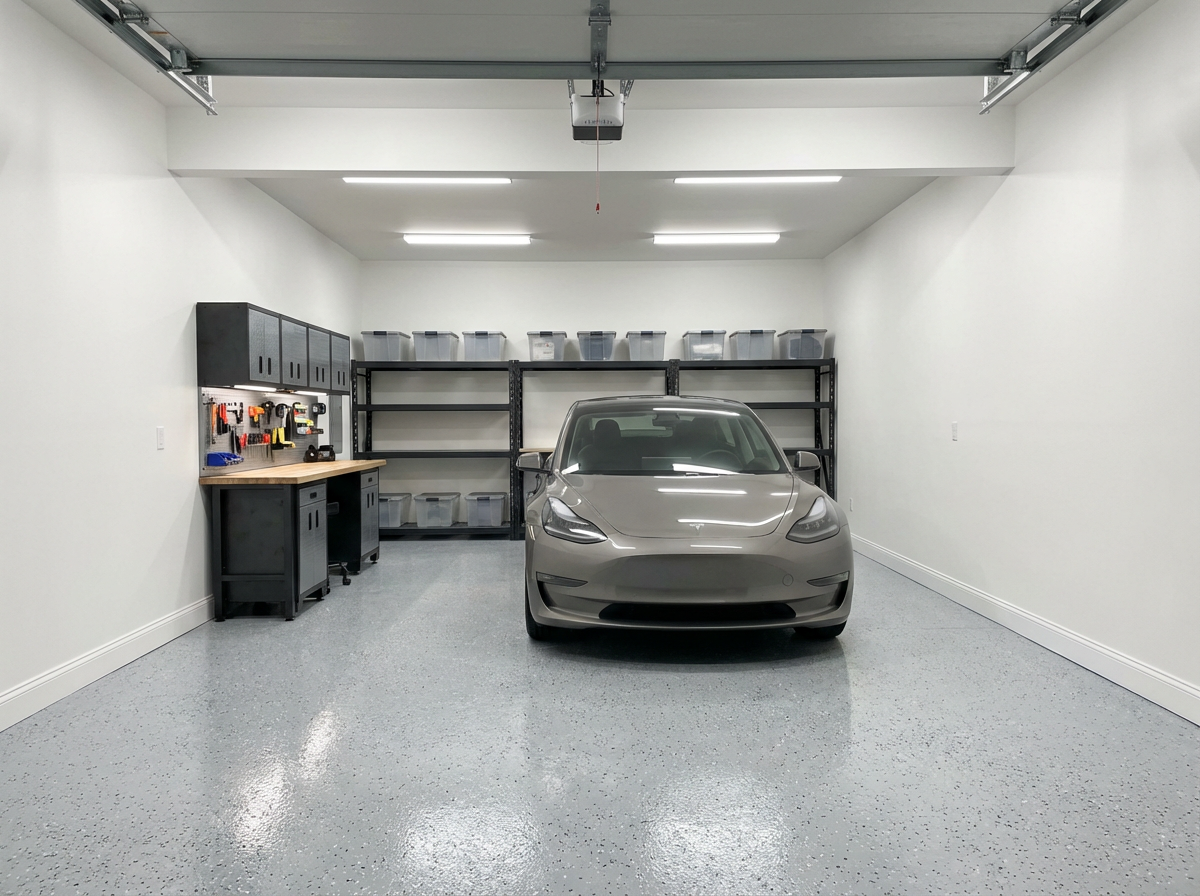
What Is Usually Included in a Professional Garage Paint Quote?
A solid professional garage painting quote should read like a plan, not just a number. At Showstopper Painting, we want you to know what you are paying for, because the invisible steps are what make the difference between a garage that looks good for a year and one that holds up for years.
Most professional quotes include surface prep first. That usually means cleaning dusty walls, knocking down cobwebs, and addressing grime around work areas. Then comes masking and protection. Covering floors, taping edges, and protecting outlets, garage door tracks, and anything you do not want painted. After that, we handle patching and repairs like small dents, nail holes, and minor drywall issues, followed by sanding so the finish does not look bumpy.
Next is caulking where needed, for example small gaps at trim or seams, and priming. Priming might be spot priming patched areas, or it might be a full prime coat if the walls are raw drywall, stained, or uneven. Finally, the finish coats go on, typically two coats, followed by cleanup, tape removal, and a final walkthrough.
Ask your painter if these are included.
- Moving and protecting items, and how much
- Patch and repair limits, what counts as minor
- Stain blocking primer versus standard primer
- Number of finish coats included
- Whether ceiling, trim, and doors are included or separate
Table 1: Garage Painting Cost Estimate by Garage Size (Virginia)
| Garage size | Typical scope | Estimated price range | Notes (prep assumptions) |
| Small one car | Walls only | $700 to $1,600 | Average condition, light patching, spot prime, two coats |
| Standard two car | Walls only | $1,200 to $2,800 | Moderate masking, typical scuffs, two coats, standard sheen |
| Large two car or small three car | Walls only | $2,000 to $4,500 or more | More wall area, more cutting in, more time around doors |
| Any size | Walls plus ceiling | Add $500 to $1,800 | Flat ceiling, height and ventilation affect labor |
| Any size | Exposed joists and rafters | Add $1,200 to $2,500 or more | Detail work, ladder time, more cutting in and angles |
Walls vs Ceiling vs Trim: How Each Part Affects Cost
Most homeowners start with the walls because that is where the garage looks the most beat up. Fresh wall paint alone can make the space feel brighter and cleaner, especially if you choose a light, neutral color that reflects light well.
In many Virginia garages, the walls are drywall, but we also see a lot of concrete blocks. Concrete blocks can look great painted, but it usually needs more prep because it is porous and can hold dust. That can affect garage interior painting cost and garage wall and ceiling painting cost compared to a standard interior room.
Ceilings are the next most common add on. Painting a ceiling makes the garage feel finished, but it adds time because of ladder work and cutting in around lights, openers, and vents. If your ceiling is higher than average, the cost goes up because setup and safety take longer.
Trim and doors can be the small detail that changes the whole look. A clean white trim line or a freshly painted service door makes the garage feel intentional, not like an afterthought. But trim is slower than walls because it is detailed work. And if you want exposed rafters or joists painted, expect that to be one of the biggest labor adders. It is not hard, but it is time consuming.
One quick note. Garage floor coating cost is usually a separate category from wall painting. Epoxy or polyaspartic floor systems involve different materials, different prep like grinding, and different cure times. If you are comparing quotes, make sure you are not mixing paint the walls pricing with coat the floor pricing.
DIY vs Hiring a Pro in Virginia (Realistic Cost Comparison)
DIY garage painting can absolutely work for some homeowners, especially if the garage is empty, the walls are in decent shape, and you are comfortable with prep. The biggest reason people DIY is to save money. The honest truth is you can often paint a garage yourself for a few hundred dollars in materials, sometimes less if you already own tools.
DIY costs usually include paint, primer if needed, patch compound, sanding supplies, caulk, painter tape, plastic, drop cloths, rollers, brushes, extension poles, and a ladder. If you do not already have those, the cheap DIY plan can creep up quickly.
Time is the other big cost. A two car garage can easily turn into a weekend project, and if you are patching, priming, and two coats, it can stretch longer, especially when Virginia humidity slows dry time.
The hidden costs show up when something goes wrong. The most common DIY issues we see are skipping primer on patched drywall, painting over dusty walls, or using the wrong paint sheen. That can lead to peeling, scuffing, or a finish that looks uneven. Then you are buying more paint, doing extra coats, or calling a pro to fix it.
Hiring a professional garage painter Virginia homeowners trust is usually about saving time, reducing mess, and getting a finish that holds up. You are paying for experience, prep discipline, and a team that can move efficiently while protecting your home.
Table 2: DIY vs Professional Garage Painting (Cost, Time, Risk)
| Category | DIY | Professional |
| Cost | Lower materials cost, usually $200 to $700 or more depending on tools | Higher upfront, typically $700 to $4,500 or more depending on scope |
| Time | One to three or more days, often a weekend | Often one to two days depending on size and prep |
| Finish quality | Depends on prep skill and patience | Consistent cutting in, smoother finish, better coverage |
| Durability | Can be great, but failures happen if prep or primer is wrong | Better odds of long term adhesion and even sheen |
| Mess | Higher risk of drips, overspray, and dust | Better masking, containment, and cleanup |
| Safety and ventilation | DIYers may underestimate fumes and ladder safety | Pros plan airflow, PPE, and safe ladder work |
How to Get an Accurate Garage Painting Quote (and Avoid Surprise Add Ons)
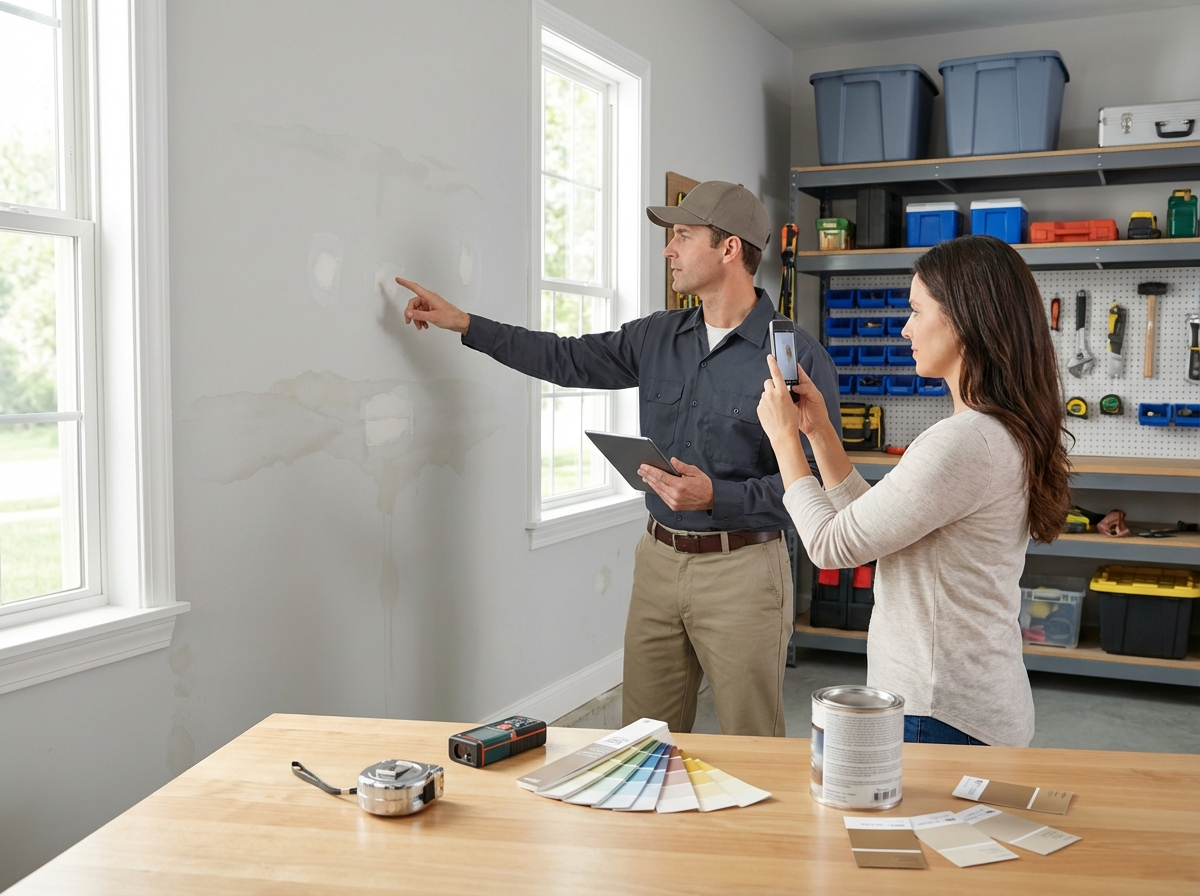
The best way to avoid surprise add ons is to make sure the quote is based on the real condition of your garage, not a guess. If you are getting estimates in Virginia Beach, Chesapeake, Norfolk, or Suffolk, start by deciding what you actually want painted. Walls only, walls and ceiling, trim, doors, or all of it.
Then be honest about the condition. Stains, smoke, water marks, and heavy patching are normal in garages, but they change the prep plan.
Next, ask the contractor what prep is included and what counts as extra. A good painter should be able to explain how they will clean the walls, how they will handle patching, whether they will sand, and what primer they will use if stains are present. You also want to confirm the number of coats. One coat can look okay on day one and disappointing a month later when scuffs show through.
Finally, talk about scheduling and dry time. In Virginia humidity, we sometimes plan around weather windows for best results, especially if the garage needs to stay functional. If you need to park inside or keep storage protected, that is part of the planning.
Quick checklist to speed up your quote.
- Take wide photos of each wall and close ups of stains or damage
- Measure approximate wall lengths and ceiling height
- Note if the garage is empty or full
- List what you want painted, walls, ceiling, trim, doors
- Ask what primer and paint sheen they recommend and why
Common Mistakes That Make Garage Paint Jobs Fail Early
The biggest garage painting failures usually start before the paint can even do its job. One common mistake is skipping primer when it is needed. Garages often have patched drywall, raw joint compound, or stains that will show through paint. Primer helps seal those areas so the finish coat looks even and sticks properly.
Another issue is painting over dust. Garages collect fine dust from cars, storage, and sometimes woodworking. If you paint right over it, the paint can have trouble bonding, and you may see peeling or flaking later. Cleaning does not have to be complicated, but it does have to be done.
Moisture is another big one in Virginia. If the garage has humidity problems, condensation, or water intrusion, paint can fail early. That does not mean you cannot paint. It means you should address the moisture source first and choose products that can handle the environment.
Wrong sheen choices can also cause frustration. Flat paint hides imperfections, but it scuffs easily and is harder to clean. High gloss can highlight every drywall flaw. For most garages, a middle ground sheen like satin is a smart balance.
Finally, cure time matters. Paint can feel dry to the touch quickly, but it takes longer to fully cure. If you start leaning bikes, shelving, or tools against the wall too soon, you can dent or mark the finish.
FAQs About Garage Painting Cost in Virginia
How much does it cost to paint a two car garage in Virginia?
A typical two car garage painting project in Virginia often falls around $1,200 to $2,800 for walls only, assuming average wall condition and a straightforward prep plan. If the garage has heavy patching, stains that need a stain blocking primer, or lots of items that need to be protected and moved, the price can climb. If you are comparing quotes, ask whether the price includes primer where needed and whether it includes two full finish coats, because that is where cheap estimates sometimes cut corners.
Is it cheaper to paint a garage in winter in Virginia?
Sometimes it can be, but it depends on the contractor schedule and your garage conditions. Winter can be slower for some painting work, which may open up scheduling flexibility. The bigger issue is temperature and ventilation. If it is cold and the garage cannot be ventilated well, dry time can slow down and the space can hold odors longer. If you are considering a winter project in places like Norfolk or Chesapeake, ask how the painter plans to manage airflow and dry time so the finish cures correctly.
Do I need to prime garage walls before painting?
Many garages do need primer, but not always a full prime coat. If you have raw drywall, fresh patching, water stains, smoke staining, or uneven surfaces, primer is usually the difference between a smooth, even finish and a blotchy one. Primer also helps with adhesion on tricky areas. If a contractor says no primer is needed without looking closely at stains and patches, it is worth asking what their plan is for sealing those spots so they do not flash through the final paint.
How long does garage paint last?
A well prepped garage paint job can last for years, but garages are tougher environments than bedrooms. Temperature swings, humidity, dust, and scuffs from storage all add wear. Paint lasts longer when the walls are cleaned before painting, primer is used where needed, and a durable paint in the right sheen is applied in two coats. If you want the finish to hold up, ask what paint line they use and whether they recommend satin or semi gloss for better washability.
Does painting the garage increase home value?
Painting the garage usually will not add value the way a kitchen remodel does, but it can improve buyer perception and help a home feel better maintained. A bright, clean garage can make the whole property feel more ready, especially in competitive markets like Virginia Beach. If you are painting for resale, focus on neutral colors, clean trim lines, and repairing obvious wall damage so the space photographs well and feels cared for.
What paint finish is best for a garage?
For most garages, a satin finish is a great balance because it is easier to wipe clean than flat paint but does not highlight wall flaws as much as a high gloss finish. Semi gloss can work too, especially for trim or doors, but it can show more imperfections on broad wall surfaces. The best choice depends on your wall condition and how you use the garage. If you are using it as a gym or workshop, a more washable finish is usually worth it.
How much extra to paint the ceiling or exposed rafters?
Adding a ceiling often costs about $500 to $1,800 depending on ceiling height, obstacles like openers and lights, and how much cutting in is required. Painting exposed rafters or joists typically costs more, often $1,200 to $2,500 or more, because it is detail heavy work with lots of angles and ladder time. If you want that finished look, it can be a great upgrade, but make sure the quote clearly states whether the ceiling is flat drywall or exposed structure.
Can you paint over stained or smoky garage walls?
Yes, but the stains need to be handled the right way. Water stains, smoke staining, and some oily marks can bleed through regular paint if they are not sealed first. A stain blocking primer is usually the fix, and in some cases, it may take more than one primer coat on the worst areas. If your garage has visible staining, ask your painter what primer they plan to use and whether stain blocking is included in the quote or treated as an add on.
Final Thoughts and a No Pressure Next Step
If you are trying to figure out how much it costs to paint a garage in Virginia, the best approach is to start with a realistic range, then narrow it down based on your garage condition and what you want painted.
In our experience, the biggest differences in price come from prep needs, ceiling height and complexity, and whether the garage is packed or empty. And because garages in Virginia deal with humidity, dust, and temperature swings, the boring steps, cleaning, priming, and proper dry time, are what make the finish last.
If you are in Virginia Beach, Chesapeake, Norfolk, or Suffolk and you would like a clear, no pressure quote, our team at Showstopper Painting is happy to help you understand your options. We are a family owned company, we keep communication simple, and we are committed to making sure you feel good about the plan before any work starts.