
If you are wondering how long does exterior paint last on different siding types in Virginia, the short answer is that most homes get anywhere from 5 to 12 years out of a quality exterior paint job. That said, the real answer depends on the siding material, how well the surface was prepared, the quality of the paint, and how much weather exposure the home gets.
In Virginia, those details matter more than many homeowners expect. Humidity, rain, summer heat, UV exposure, and coastal salt air can all shorten paint life. A home in Virginia Beach near the coast may need repainting sooner than a similar home farther inland, while a well-prepped fiber cement home in Chesapeake may hold paint longer than older wood siding in a shaded, damp area.
The truth is that exterior paint life depends on more than just the brand on the can. At Showstopper Painting, we have seen that siding type plays a big role in how long a finish holds up and how a home starts showing wear. Some materials are more stable and paint-friendly. Others move more, hold moisture, or need more maintenance over time.
This guide walks through the typical exterior paint lifespan Virginia homeowners can expect on common siding materials, what affects durability, and how to tell when it is time to repaint before small issues turn into bigger repairs.
How Long Does Exterior Paint Last on Different Siding Types in Virginia?
For most Virginia homes, exterior paint lasts about 5 to 7 years on wood siding, 7 to 12 years on fiber cement siding, 5 to 10 years on vinyl siding, 5 to 10 years on aluminum siding, and around 8 to 15 years on properly prepared painted brick or masonry. Engineered wood and composite siding often fall in the 6 to 10 year range.
Those ranges are not guaranteed. They are practical averages based on real-world weather exposure, maintenance, and surface condition. Homes with strong prep work, quality primer, and premium paint usually stay in good shape longer. Homes with moisture issues, failing caulk, mildew buildup, or heavy direct sun often need attention sooner.
The good news is that with the right prep and products, homeowners can get many solid years out of an exterior paint job. The key is understanding that different siding materials age differently. Paint on wood does not fail the same way paint on vinyl or brick does, which is why repaint timing should never be one-size-fits-all.
Why Exterior Paint Lifespan Varies from One Home to Another
One of the biggest reasons homeowners get mixed answers about how long does exterior paint last in Virginia is that no two homes age the same way. Two houses on the same street can have very different repaint cycles depending on sun exposure, tree coverage, drainage, and the condition of the siding underneath the paint.
Surface preparation is one of the biggest factors. If the old surface was not cleaned well, if loose paint was left behind, or if damaged areas were painted over without proper repairs, the new coating may fail years earlier than expected. Good prep work is what gives paint something solid to bond to. Without it, even high-quality products struggle.
Moisture is another major factor in Virginia. Humidity stays high for long stretches, and homes can deal with rain, mildew, and damp shaded areas that never fully dry out. When moisture gets behind paint or sits on the surface too long, it can lead to peeling paint, bubbling, staining, and early breakdown.
Sunlight also matters. Strong UV exposure slowly breaks down paint binders, which can lead to fading paint, chalking, and a worn look even before the surface starts peeling. South-facing and west-facing walls often age faster because they take the brunt of the afternoon sun.
Then there is the siding itself. Some materials expand and contract more. Some absorb moisture. Some hold paint extremely well when primed correctly. That is why when to repaint house exterior surfaces depends on both the weather and the material under the coating.
Typical Exterior Paint Lifespan by Siding Type
| Siding Type | Typical Paint Lifespan | Common Problems | Notes for Virginia Homeowners |
| Wood siding | 5 to 7 years | Peeling, cracking, moisture damage, mildew | Needs close monitoring in humid and shaded areas |
| Fiber cement siding | 7 to 12 years | Caulk failure, fading, edge wear | Often one of the best performers when prepped correctly |
| Vinyl siding | 5 to 10 years | Expansion stress, fading, adhesion issues | Requires the right paint products and color choices |
| Aluminum siding | 5 to 10 years | Chalking, oxidation, fading | Prep is critical for long-term adhesion |
| Brick or painted masonry | 8 to 15 years | Moisture trapping, flaking, efflorescence | Breathable coatings and proper prep matter a lot |
| Engineered wood or composite siding | 6 to 10 years | Edge swelling, peeling, seam wear | Product quality and water control affect lifespan |
These ranges help homeowners understand what is normal, but they should not replace an on-site evaluation. A seven-year-old paint job may still look great on one home and already be failing on another. The material matters, but so does everything around it.
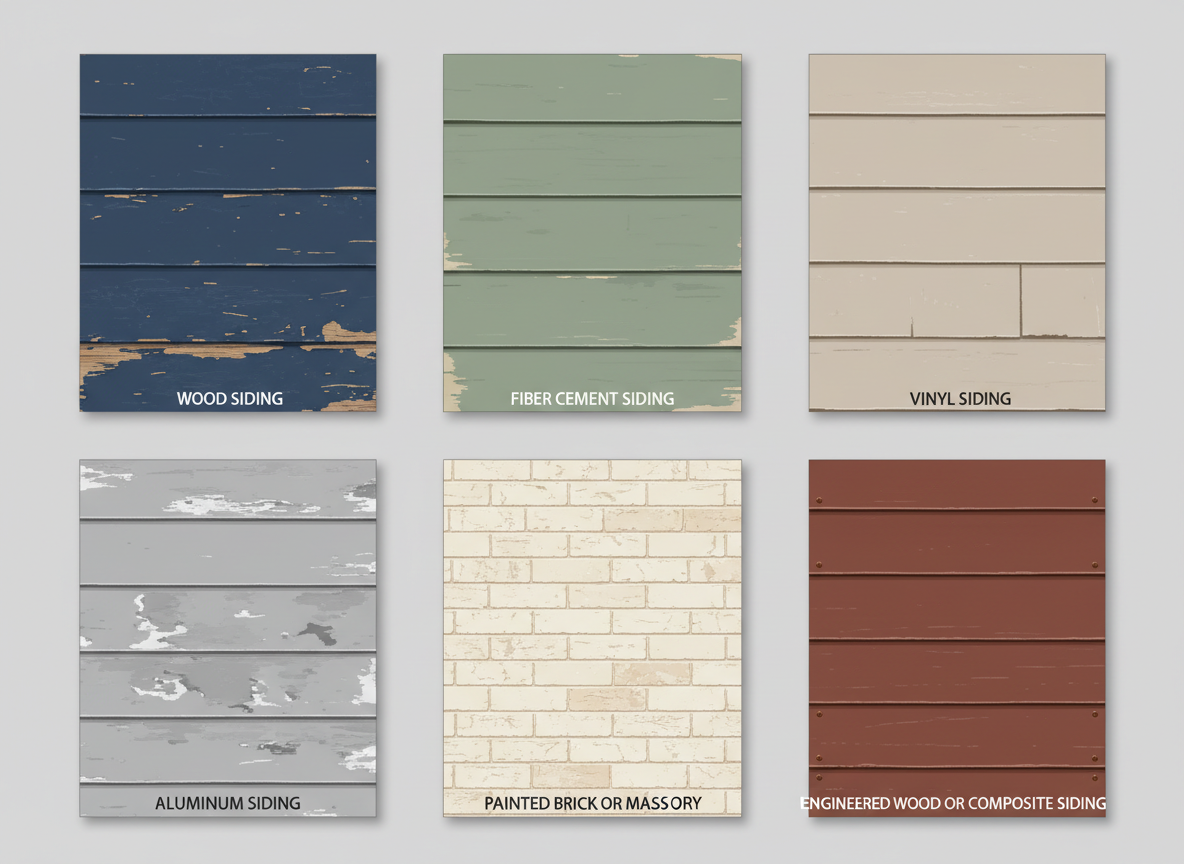
How Long Paint Lasts on Wood Siding in Virginia
When homeowners ask how long does paint last on wood siding, the honest answer in Virginia is usually around 5 to 7 years, though some homes may need repainting sooner. Wood is one of the most maintenance-heavy exterior siding materials because it naturally expands, contracts, and absorbs moisture more than many modern products.
That movement puts stress on the paint film. Over time, you may start to see cracking along boards, peeling near joints, or soft spots where moisture has started to work its way in. In humid areas or in homes with poor drainage, wood siding can wear down faster than expected. Shaded sides of the house may also hold moisture longer, which can encourage mildew and surface breakdown.
Wood siding can still look beautiful and last well when it is maintained properly. The key is staying ahead of failure. Once paint starts peeling badly, water can reach bare wood and create bigger repair needs. Repainting before widespread failure usually costs less than waiting until rot, swelling, or board replacement becomes part of the job.
For Virginia homeowners, wood siding often needs the closest attention of any painted exterior. If your home has older clapboard, cedar, or trim-heavy wood surfaces, regular inspections are one of the best ways to protect both appearance and structure.
How Long Paint Lasts on Fiber Cement Siding in Virginia
When homeowners ask how long does paint last on fiber cement siding, the answer is usually better than what they hear for wood or vinyl. In Virginia, fiber cement often holds paint for about 7 to 12 years, and in some cases longer, when the siding was installed correctly and the repaint was done with solid prep and quality products.
One reason fiber cement performs well is that it is more stable than wood. It does not absorb moisture the same way, and it usually does not move as much with seasonal weather changes. That gives the paint film a better chance to stay bonded over time. For many homeowners, this makes fiber cement one of the strongest options for long-term paint durability.
Still, fiber cement is not immune to wear. Caulk joints can fail, edges can become exposed, and high-sun areas can fade faster than protected sides of the home. In Virginia’s humid climate, even a strong siding material can develop trouble spots if water gets into seams or trim lines. When that happens, the paint may start showing edge wear, early cracking, or isolated peeling before the rest of the house looks worn.
In practical terms, fiber cement usually rewards homeowners who stay ahead of maintenance. A home that gets washed, inspected, and recaulked when needed will often stay on the longer end of the repaint cycle. That is one reason many Virginia homeowners see fiber cement as one of the best performers when they are thinking about how often to repaint a house in Virginia.
How Long Paint Lasts on Vinyl Siding in Virginia
A lot of homeowners ask how long does paint last on vinyl siding because vinyl often starts to fade before it truly wears out. In Virginia, painted vinyl siding often lasts around 5 to 10 years, but that range depends heavily on the type of paint used, the color selected, and how well the surface was cleaned before painting.
Vinyl is different from wood and fiber cement because it expands and contracts quite a bit as temperatures change. That movement can put stress on the paint film. If the coating is not made for vinyl or does not have the flexibility to move with the siding, homeowners may see cracking, peeling, or uneven wear sooner than expected.
Color choice matters too. You can find the right paint color for your home while considering how different shades may affect your vinyl’s siding’s performance and appearance. Darker colors can absorb more heat, which may increase movement and create more stress on the siding. That does not mean vinyl cannot be painted successfully. It just means the paint system has to be chosen carefully. Surface prep also matters more than many people realize. Dirt, oxidation, and chalky residue can all interfere with adhesion if they are not cleaned off properly.
For homeowners considering repaint siding Virginia projects on vinyl, the biggest takeaway is that vinyl can absolutely be repainted well, but it is not the kind of surface where shortcuts pay off. The right products and application methods make a major difference in how long the finish lasts.
How Long Paint Lasts on Aluminum Siding in Virginia
If you are wondering how long does paint last on aluminum siding, most Virginia homeowners can expect around 5 to 10 years from a properly completed paint job. Aluminum does not absorb moisture like wood, but it comes with a different set of challenges, especially oxidation, chalking, and fading.
Older aluminum siding often develops a powdery film as the original finish breaks down. That chalking has to be removed thoroughly before repainting. If it is not, the new paint may bond to the residue instead of the siding itself, which can lead to premature failure. This is one of the main reasons aluminum paint jobs sometimes fail earlier than homeowners expect.
Sun exposure also plays a major role. Aluminum siding on bright, exposed sides of the home may fade faster and start looking uneven before it actually peels. In many cases, the first sign is not damage but a tired, washed-out appearance that hurts curb appeal. Repainting at that stage can refresh the home and help protect the surface before the finish becomes too worn.
In Virginia’s climate, aluminum siding can still hold paint well when it is cleaned properly, deglossed if needed, primed correctly, and coated with products designed for metal exteriors. As with other siding types, prep work is what separates a long-lasting finish from a short-lived one.
How Long Paint Lasts on Brick or Painted Masonry in Virginia
Many homeowners ask how long does paint last on brick exterior surfaces, and the answer is a little different than it is for siding. In Virginia, painted brick or masonry often lasts around 8 to 15 years when the right breathable coating is used and the wall is in good condition.
Brick behaves differently because it is porous. It absorbs and releases moisture, which means the coating has to work with the wall rather than seal moisture inside it. If the wrong type of paint is used, or if the brick already has moisture issues, the finish may start flaking, blistering, or peeling much sooner than expected.
Previously painted brick needs especially careful evaluation before repainting. If the old coating is failing because of trapped moisture, simply covering it again will not solve the real issue. The wall may need cleaning, repairs, and correction of water-related problems before repainting makes sense. That is why painted brick often needs a more careful approach than homeowners expect.
For Virginia homeowners, repaint timing on masonry is often more about condition than age alone. A wall may still have decent color but show failure in isolated spots. Catching those signs early can help prevent larger masonry issues and protect the appearance of the home.
How Long Paint Lasts on Engineered Wood and Composite Siding in Virginia
Engineered wood and composite siding usually fall somewhere in the middle when it comes to exterior paint lifespan Virginia homeowners can expect. In many cases, these materials hold paint for around 6 to 10 years, though the range can shift depending on product quality, installation details, and how well water is managed around the home.
These materials are often designed to be more stable than traditional wood, but they still have vulnerable areas. Seams, cut edges, and lower sections near the ground can be more likely to show wear. If water gets into those areas, swelling or edge damage can start affecting the paint film. Once that happens, peeling and surface breakdown can follow.
Composite and engineered wood products can perform very well when they are installed correctly and maintained consistently. But like every other siding type, they still depend on good prep, proper primer where needed, and routine inspection. In Virginia’s humid climate, even newer materials benefit from a proactive approach.
For homeowners with these siding types, the best approach is not to assume the material is low-maintenance forever. It may need less attention than traditional wood, but it still needs monitoring if you want the paint to last as long as possible.
How Virginia Weather Affects Exterior Paint Lifespan
Virginia weather has a direct effect on how long does exterior paint last in Virginia, and in many cases it is the reason one home needs repainting years before another. Humidity is one of the biggest factors. When the air stays damp for long stretches, siding and trim take longer to dry after rain, morning dew, or storms. That extra moisture can feed mildew, weaken caulk lines, and shorten the life of the paint film.
Rain and storms also matter more than many homeowners realize. Repeated wet-dry cycles create stress on exterior surfaces, especially around joints, trim, windows, and exposed edges. If water gets behind paint through failed caulk or hairline cracks, the coating may start bubbling or peeling from underneath. By the time the problem becomes obvious, the surface underneath may already be taking on moisture.
Summer sun adds another layer of wear. UV exposure slowly breaks down paint over time, leading to fading paint, chalking, and a dull appearance. South-facing and west-facing walls usually age faster because they take the brunt of the strongest afternoon sun. That is why one side of the house can look noticeably more worn than another.
Coastal conditions make things even tougher. Coastal Virginia exterior paint jobs often face more pressure from salt air, wind, and moisture. In places like Virginia Beach and parts of Norfolk, salt can settle on surfaces and speed up wear, especially if the home is close to the water. Homes in these areas often benefit from more frequent washing and closer inspection because salt residue and damp air can work against the finish.
Farther inland in areas like Chesapeake and Suffolk, homes may still deal with humidity and sun, but often with a little less salt exposure. Even so, no part of this region is completely sheltered from moisture-related wear. That is why Virginia exterior painting decisions should always account for local weather, not just the age of the last paint job.
What Shortens or Extends Exterior Paint Life
| Factor | How It Affects Paint | High / Medium / Low Impact | What Homeowners Can Do |
| Poor prep work | Causes weak adhesion and early peeling | High | Clean, scrape, sand, repair, and prime correctly |
| Moisture exposure | Leads to bubbling, mildew, and paint failure | High | Fix drainage, leaks, and vulnerable joints |
| Direct sunlight | Speeds up fading and chalking | Medium to High | Use quality coatings and monitor sunny sides |
| Mildew buildup | Holds moisture and stains surfaces | Medium | Wash surfaces and treat mildew early |
| Low-quality paint | Breaks down faster under weather exposure | High | Choose premium exterior paint systems |
| Missed maintenance | Small issues become larger failures | Medium | Inspect yearly and handle touch-ups early |
| Caulk failure | Lets water reach seams and trim | High | Recaulk failing areas before repainting |
| Coastal salt exposure | Increases wear on exposed surfaces | Medium to High | Rinse and inspect more often near the coast |
This table shows why repaint timing is never just about the calendar. A home with excellent prep, solid drainage, and regular upkeep may stay in good shape much longer than a home painted with shortcuts. The paint itself matters, but the conditions around it matter just as much.
Signs It Is Time to Repaint Your House Exterior
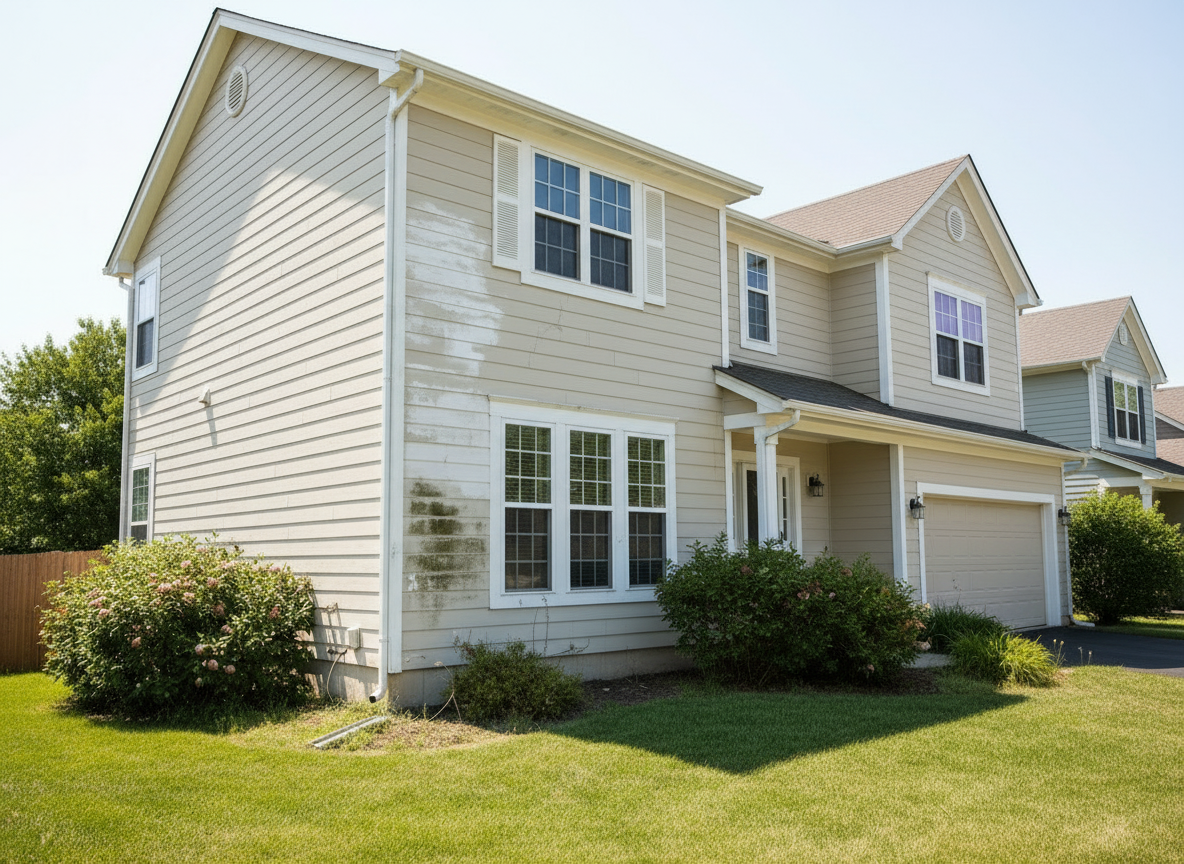
One of the most common homeowner questions is when to repaint house exterior surfaces before the problem gets expensive. The first signs are not always dramatic. In many cases, the paint starts looking tired before it starts fully failing.
Fading is often one of the earliest clues. If the color looks washed out, uneven, or noticeably duller than it used to, the coating may be wearing down from UV exposure. Chalking is another early sign. If you rub the siding and get a powdery residue on your hand, the paint film is breaking down.
As wear continues, you may start seeing cracking, bubbling, or peeling paint. These are stronger warning signs because they often mean the coating is no longer protecting the surface well. On wood siding, exposed bare areas can quickly lead to moisture damage. On trim and joints, failed caulk can let water in and speed up deterioration.
Mildew stains, dark streaks, and worn patches on the most exposed sides of the home also matter. Even if the whole house does not look bad yet, localized failure can be a sign that the repaint cycle is approaching. In many cases, repainting sooner can prevent more expensive repairs later.
Homeowners should also pay attention to uneven color, worn edges, and areas where the surface looks thin or patchy. These signs do not always mean the house is in bad shape, but they do mean the protective layer is getting weaker. When the paint is starting to fail, repainting sooner can often prevent more expensive repairs later.
How to Make Exterior Paint Last Longer in Virginia
The best way to extend paint life is to treat exterior painting as part of regular home maintenance, not just a cosmetic update. A home that gets cleaned, inspected, and repaired as needed will usually hold paint longer than one that is ignored until obvious failure appears.
Washing the exterior periodically helps remove dirt, mildew, pollen, and salt residue that can wear down the finish. Homeowners in coastal areas may benefit from more frequent rinsing or cleaning because salt air can build up faster. This is one reason articles like The Impact of Salt Air on Exterior Paint in Virginia Beach are so helpful for local homeowners trying to protect their investment.
It also helps to keep an eye on caulked areas, trim joints, and problem spots that get heavy sun or stay damp. Small cracks and failed sealant lines may not look urgent, but they often become the entry point for moisture. Catching those issues early can add years to the life of a paint job.
Homeowners should also be careful about delaying repainting too long once the coating starts to fail. If you wait until large sections are peeling or bare substrate is exposed, the project often becomes more labor-intensive and more expensive. In many cases, repainting while the surface is still mostly sound is the smarter long-term move.
For homeowners comparing maintenance steps, resources like Benefits of Power Washing Before Exterior Painting and Prep Work in Exterior Painting help explain why routine care and proper preparation matter so much.
Why Professional Prep Work Has So Much to Do with Paint Longevity
A lasting exterior paint job starts long before the first finish coat goes on. Cleaning, scraping, sanding, repairs, priming, and caulking all affect how well paint bonds and how long it protects the home. If any of those steps are skipped or rushed, the repaint cycle often gets shorter.
This is especially true in Virginia, where humidity and moisture can expose weak prep work quickly. A surface may look fine right after painting, but if dirt, chalking, mildew, or loose paint were left behind, problems can show up much sooner than homeowners expect. That is one reason professional exterior painting is about more than appearance. It is also about protecting the siding underneath.
Proper prep work also helps painters choose the right system for the siding material. Wood may need more repair and spot priming. Vinyl needs coatings designed to move with the surface. Aluminum often needs careful cleaning and deglossing. Painted brick may need breathable products that let moisture escape. The prep and product choices should match the material, not just the color plan.
For homeowners looking into exterior house painting Virginia Beach or nearby areas, this is one of the biggest reasons to work with an experienced local team. A painter who understands how Virginia weather affects different surfaces is more likely to recommend the right approach from the start.
At Showstopper Painting, we believe honest guidance matters. Sometimes a home is ready for repainting. Other times, the bigger issue is failed caulk, moisture intrusion, or surface damage that needs to be handled first. The goal is not just to make the house look fresh for now. It is to help the finish last as long as it should.
Frequently Asked Questions About Exterior Paint Lifespan in Virginia
How often should a house be repainted in Virginia?
Most homes in Virginia need repainting about every 5 to 10 years, but the exact timing depends on the siding material, weather exposure, and how well the last job was done. Wood siding often needs repainting sooner, while fiber cement and properly coated masonry can last longer. Homes in coastal areas may also need attention earlier because of salt air, humidity, and stronger weather exposure. If a house has fading, chalking, mildew, or failing caulk before that timeline, it may be ready sooner.
What siding type holds exterior paint the longest?
In many cases, fiber cement and properly prepared painted brick tend to hold paint longer than wood, vinyl, or older aluminum siding. Fiber cement is stable and paint-friendly, while painted masonry can have a long repaint cycle when breathable coatings are used. Even so, no siding type performs well if prep work is poor or moisture problems are left unresolved. The material gives you part of the answer, but the condition of the surface and the quality of the paint system matter just as much.
Does coastal weather make exterior paint fail faster?
Yes, it often does. Homes in Virginia Beach and other coastal areas usually deal with more salt air, wind, and moisture than homes farther inland. Those conditions can wear down coatings faster, especially on surfaces that already have weak prep, thin coverage, or existing damage. That does not mean coastal homes cannot have long-lasting paint jobs, but they usually need closer maintenance and more regular inspection than homes with less direct weather exposure.
Can high-quality exterior paint really last 10 years or more?
Yes, in the right conditions it can. High-quality paint applied over solid prep work on stable siding like fiber cement or well-maintained masonry can last 10 years or more. But premium paint does not overcome poor prep, trapped moisture, or failing caulk. Product quality matters, but the full system matters more. Homeowners usually get the best results when they combine quality materials with proper cleaning, repairs, priming, and routine maintenance.
What are the first signs that exterior paint is going bad?
The first signs are often subtle. Many homeowners notice fading, dull color, or chalking before they see major peeling. After that, small cracks, bubbling, mildew stains, worn edges, and failed caulk often start showing up. These early signs matter because they tell you the protective layer is weakening. If you catch them early, you may be able to repaint before the siding underneath starts taking on damage.
Is it cheaper to repaint before paint starts peeling badly?
In many cases, yes. Repainting while the existing coating is still mostly sound is often less expensive than waiting until there is widespread peeling, exposed substrate, or moisture damage. Once the paint has failed badly, the project usually needs more scraping, more repairs, more priming, and sometimes replacement of damaged materials. Taking care of the home earlier often protects both the budget and the siding itself.
Does poor prep work really shorten the life of exterior paint?
Absolutely. Poor prep work is one of the fastest ways to shorten the life of an exterior paint job. If dirt, mildew, chalking, loose paint, or damaged surfaces are left in place, the new coating may not bond properly. The home may look freshly painted at first, but failure can show up much sooner than expected. That is why prep work is not just a step in the process. It is one of the main reasons a paint job lasts or fails.
Should painted brick be repainted on the same schedule as siding?
Not always. Painted brick often follows a different repaint cycle than wood, vinyl, or aluminum siding because masonry handles moisture differently. In many cases, painted brick can go longer between repaints, but only if the coating is breathable and the wall is in good condition. If moisture is trapped behind the paint, failure can happen earlier and in a different way, such as flaking or blistering. That is why painted brick should be evaluated based on condition, not just age.
Final Thoughts on Exterior Paint Lifespan for Virginia Homes
If you have been trying to figure out how long does exterior paint last on different siding types in Virginia, the best answer is that it depends on both the material and the conditions around it. Wood, vinyl, aluminum, fiber cement, brick, and composite siding all age differently, and Virginia weather adds another layer to the timeline.
The good news is that homeowners usually do not have to guess blindly. By watching for fading, chalking, mildew, peeling, and failed caulk, you can often spot the need for repainting before major damage sets in. And when the surface is prepared correctly, a new exterior paint job can protect your home and improve curb appeal for years.
If you are comparing options, pages like Exterior House Painting , House Painters , and local pages for Virginia Beach , Norfolk , and Chesapeake can help you learn more about what to expect. Homeowners can also find useful context in related articles like How Often Should You Repaint Your Virginia Beach Home? and Exterior Paint Failed After 3 Years: Here’s What Went Wrong .
For homeowners in Virginia Beach, Norfolk, Chesapeake, and Suffolk, the best next step is often a simple, honest look at the condition of the siding and the paint that is already there. At Showstopper Painting, we believe homeowners deserve clear guidance, practical recommendations, and a paint job that is built to last in real Virginia conditions.