
Quick Answer, Typical Kitchen Refresh Cost Ranges in Virginia
Most homeowners in Virginia can expect a full kitchen refresh to land somewhere around $1,800 to $6,500.
That range is wide on purpose. Kitchens are one of those rooms where the details matter. A small, simple kitchen with standard ceilings and clean walls can stay closer to the lower end. A larger kitchen with tall ceilings, heavy grease, lots of trim, and a few drywall repairs can climb quickly.
When we say full kitchen refresh, we mean more than just putting a new color on the walls. We are talking about a clean, durable finish that holds up to cooking, humidity, and daily wipe downs. In places like Virginia Beach, Chesapeake, Norfolk, and Suffolk, that durability matters because moisture and salty air can be real.
If you are looking for a kitchen painting estimate Virginia homeowners can trust, the best next step is to understand what is included, what is not, and what makes one kitchen cost more than another. That is exactly what we will walk through.
What a Full Kitchen Refresh Includes
A full kitchen refresh is our most common scope when someone says, “We want the kitchen to feel clean and updated.” It is the sweet spot between a quick touch up and a full remodel.
In a typical refresh, we focus on the surfaces that change the look of the room the fastest. That usually means walls and ceiling first, then all the trim details that frame the space. In many Virginia homes, trim is what makes the room feel finished. If the trim is dingy or chipped, fresh wall paint alone can still feel incomplete.
We also plan for minor drywall repairs. Kitchens take a beating. You might have a few nail pops, old anchor holes from a shelf, or a spot where the drywall paper tore when something was removed. Those small repairs are common, and they are usually worth doing while the room is already being prepped.
A full refresh also includes the kind of prep that kitchens need. That means cleaning, sanding where needed, caulking gaps, and using the right primer when stains or old grease are present. This is a big reason the cost to paint kitchen walls and ceiling in a kitchen is often higher than a bedroom.
Here is a quick summary of what a full kitchen refresh usually includes.
- Painting the kitchen walls with a durable interior paint system.
- Painting the kitchen ceiling, including stain blocking primer when needed.
- Painting trim, baseboards, and window trim for a clean finished edge.
- Painting the kitchen door and frame when it is part of the space.
- Completing minor drywall repairs like small holes, dings, and light patching.
What Is Usually Not Included In a Refresh Quote
This part saves a lot of frustration. Many homeowners assume a refresh quote covers everything they can see. In reality, a refresh is focused on paintable surfaces that can be prepped and finished in a predictable way.
Cabinet painting is the biggest one. Cabinets are a separate process with different materials, more labor, and longer dry times. If you want cabinets done, we can absolutely bundle it, but it should be listed as its own line item.
Major drywall replacement is also not part of a standard refresh. If a wall has water damage, soft drywall, or large areas that need to be cut out and replaced, that moves beyond minor repair work.
A refresh quote also does not include electrical work, backsplash changes, flooring, or countertop replacement. Those are different trades and different scopes.
So when you compare quotes, make sure you are comparing the same thing. If one quote includes a door, trim, and repairs, and another is walls only, the price difference makes sense.
Typical Full Kitchen Refresh Price Ranges in Virginia by Kitchen Size
Kitchen size is one of the easiest ways to start estimating. More square footage usually means more wall area, more ceiling area, and more time moving around obstacles.
But size is not just about the room footprint. A medium kitchen with lots of cabinets and little open wall space can sometimes take as long as a larger kitchen with clean open walls. That is why we treat these as ranges.
Below is a simple table to help you picture typical pricing for a full refresh. These ranges are meant to be realistic for homeowners in our area, including Virginia Beach, Chesapeake, Norfolk, and Suffolk.
Table 1: Full kitchen refresh cost ranges in Virginia by kitchen size
| Kitchen size | What is included | Typical range | Common add ons that change price |
| Small kitchen | Walls, ceiling, trim, baseboards, door and frame, and minor drywall repairs. | $1,800 to $3,200 | Extra stain blocking, heavy grease cleanup, multiple colors, or more repairs. |
| Medium kitchen | Walls, ceiling, trim, baseboards, window trim, door and frame, and minor drywall repairs. | $2,800 to $4,800 | Tall ceilings, detailed trim, more doors, or occupied home protection needs. |
| Large kitchen | Walls, ceiling, extensive trim, baseboards, window trim, door and frame, and minor drywall repairs. | $4,200 to $6,500 | Open concept areas, multiple colors, higher ceilings, and more patching or texture matching. |
If you are searching for kitchen painting cost Virginia homeowners typically pay, this table is a strong starting point. Next, we will talk about what pushes a kitchen toward the low end or the high end.
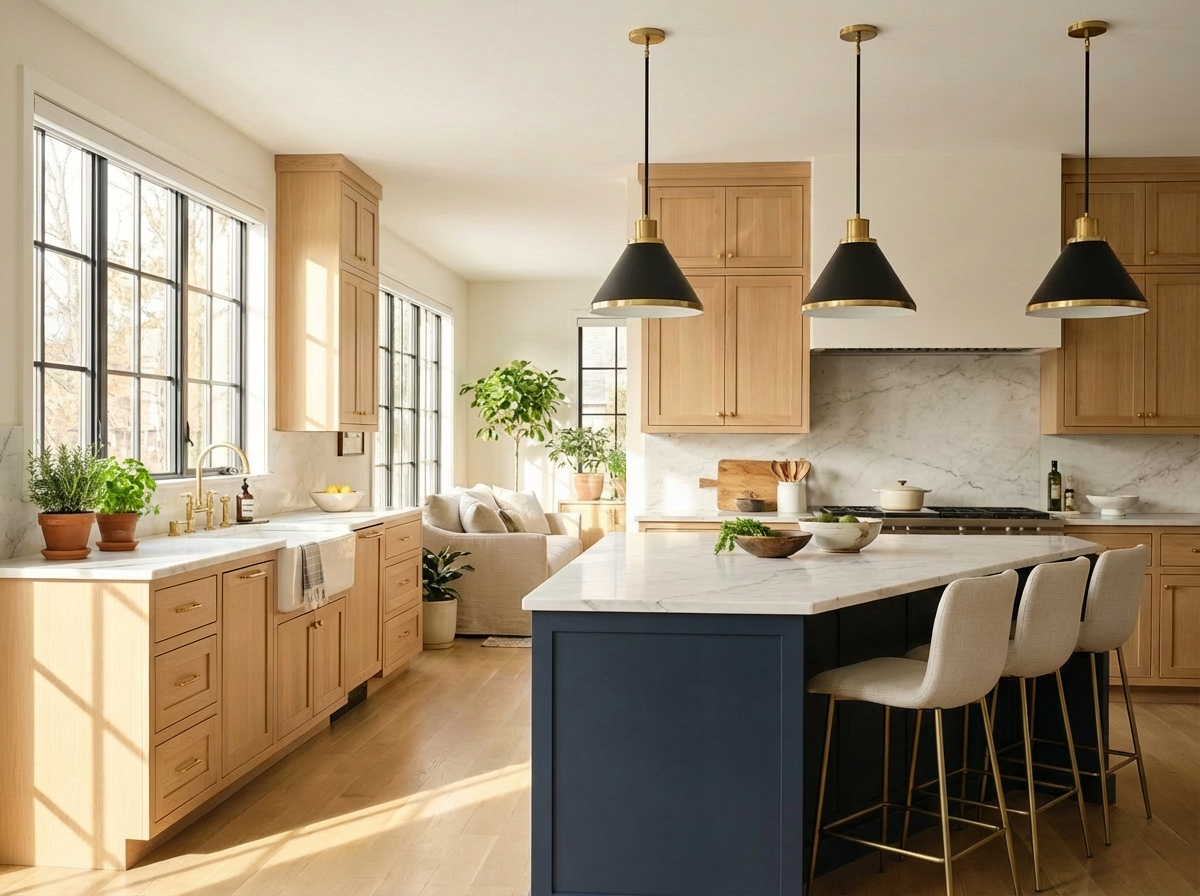
The Biggest Factors That Raise or Lower Your Kitchen Painting Cost
Once you know the size range, the next step is understanding the variables. This is where two kitchens that look similar in photos can price out very differently in real life.
For example, a townhouse kitchen in Norfolk might be small, but if the walls have years of cooking residue and the trim is heavily chipped, prep time goes up. On the other hand, a newer home in Chesapeake might have a larger kitchen, but clean walls and simple trim can make the job more straightforward.
Here are the most common factors we look at when building a kitchen painting to estimate Virginia homeowners can plan around.
Table 2 : What Changes The Price Of A Kitchen Refresh
| Factor | Why it matters | How it affects cost |
| Kitchen size | More surface area means more labor and more materials. | Larger kitchens usually cost more, but layout can change the impact. |
| Ceiling height | Tall ceilings require more setup, ladders, and time. | Higher ceilings push the range up. |
| Wall condition | Dings, cracks, and old patches need repair and sanding. | More repairs increase labor and materials. |
| Grease and stain prep | Kitchens often need cleaning and stain blocking primer. | Heavy grease and stains can add significant prep time. |
| Number of colors | Cutting in and transitions take longer with more colors. | More colors usually increases labor time. |
| Trim detail | Crown molding and detailed profiles take longer to prep and paint. | More trim detail raises the cost. |
| Door and frame complexity | Paneled doors and sidelights require careful brushing and prep. | More complex doors increase labor time. |
| Repairs | Drywall patches and texture matching take skill and time. | More repair work increases the range. |
| Access issues | Tight spaces and limited parking slow down workflow. | Access challenges can raise labor costs. |
| Occupied home logistics | Protecting counters, floors, and daily living areas takes planning. | More protection and cleanup can increase cost. |
| Timeline urgency | Rush scheduling can require overtime or reshuffling crews. | Faster timelines can increase the price. |
If you want the most accurate number, these factors matter more than any online calculator. And kitchens are full of these little details.
Why Kitchens Cost More To Paint Than Bedrooms
A bedroom is usually clean drywall, a few outlets, and maybe a closet. Kitchens are different.
First, kitchens have grease. Even if you keep a clean home, cooking puts oils into the air. Those oils settle on walls, ceilings, and trim. Paint does not like sticking to grease. So we often need extra cleaning, light sanding, and the right primer.
Second, kitchens have moisture. In Virginia, humidity is part of life. In summer, you can feel it the moment you step outside. That humidity can slow dry times and make scheduling trickier, especially if windows need to stay closed for comfort.
Third, kitchens need durability. People wipe kitchen walls. They bump trim with chairs. They lean against door frames while carrying groceries. A good kitchen paint job is built to handle real life.
All of that adds up to more prep and more careful product choices. That is why the cost to paint a kitchen in Virginia is often higher than the same square footage in a bedroom.
Cabinet Painting As An Add On, When It Is Worth It
A lot of homeowners ask about cabinets right away, and it makes sense. Cabinets take up a huge part of what you see in a kitchen.
Cabinet painting is worth considering when your cabinet boxes are in good shape, but the color feels dated or the finish looks worn. If the doors are solid and the layout works, painting can give you a big visual change without the cost of replacement.
Bundling cabinets with a refresh can also be efficient. The kitchen is already being protected. The room is already being prepped. And you can coordinate colors so everything feels intentional.
That said, cabinet painting is its own process. It usually involves removing doors, cleaning and sanding, priming for adhesion, and applying a durable cabinet grade finish. Dry times matter. So does dust control.
If you want to learn more about that process, our cabinet service page is a good place to start.
As a rough planning range, cabinet painting in Virginia often starts in the low thousands and can go up depending on door count, layout, and finish choice. The best way to price it is to count doors and drawers and look at the condition.
DIY vs Hiring a Pro in Virginia, What The Real Costs Look Like
DIY can work for some kitchens, especially if you have time, patience, and a plan for prep. But it is easy to underestimate what it takes.
Most DIY budgets start with paint and a couple of rollers. Then reality hits. You need cleaning supplies strong enough to cut grease. You need painter tape that actually seals. You need drop cloths, plastic, and protection for counters and floors. You need spackle, sanding blocks, and maybe a stain blocking primer if the ceiling has old cooking stains.
A realistic DIY materials list usually includes paint for walls and ceiling, primer, caulk, patch materials, sandpaper, brushes, rollers, trays, tape, plastic, drop cloths, and cleaning products. If you do not already own ladders and a good light, you may need those too.
Then there is the time cost. Kitchens are busy rooms. Painting means moving furniture, clearing counters, and living around the mess. In an occupied home, that can stretch a weekend project into a week.
The other hidden cost is rework. If paint peels because grease was not cleaned well, you might be sanding and repainting sooner than you planned. If cut lines are rough, the kitchen can look sloppy even with expensive paint.
Hiring a professional kitchen painter Virginia homeowners trust is less about paying for paint and more about paying for the process. You are paying for prep, protection, clean lines, and a finish that holds up.
How To Get An Accurate Kitchen Painting Estimate
If you want an estimate that feels solid, start by sharing clear information. The more we know, the more accurate we can be.
It helps to tell us the kitchen size, ceiling height, and whether the kitchen is open to other rooms. It also helps to mention wall condition. If you have peeling paint, stains, or grease buildup, say so. That is not a problem. It just changes prep.
Photos help too. A few wide shots and a couple close ups of problem areas can speed up the initial conversation.
A good estimate should spell out what is included. It should list surfaces, prep steps, repair allowances, and the paint system being used. It should also explain what is not included so there are no surprises.
What To Ask A Kitchen Painter Before You Hire Them
Once you have a quote, the next step is making sure you feel confident in the plan. The best painters are happy to explain their process.
Ask what prep is included. Kitchens are all about prep. Ask how they handle grease and stains. Ask what primer they use when stains are present. Ask what paint finish they recommend for kitchen walls and why.
You can also ask how they protect your home. Kitchens have counters, appliances, floors, and often a lot of daily traffic. Protection is part of professionalism.
Finally, ask about scheduling. In Virginia, humidity can affect dry times, especially in summer. A good painter will plan for that and set expectations.
Here are a few quick questions that help you compare quotes.
- Can you walk me through your prep steps for kitchen walls, ceiling, and trim.
- What paint and primer products are included, and why are they a good fit for kitchens.
- How will you protect floors, counters, and appliances during the project.
- What is the expected timeline, and what could change it.

Our Approach at Showstopper Painting and How We Protect Homeowners
At Showstopper Painting, we treat kitchens like the high use spaces they are. We plan for prep, protection, and durability from the start.
That means we take time to clean and prep surfaces so paint bonds well. We protect floors and counters, so you are not living in a construction zone. And we communicate clearly so you know what to expect each day.
We also back our work with a money back guarantee. That is not a gimmick. It is a simple promise that if you are not satisfied, we will make it right. And if we cannot, you get your money back. You can read the full details here: 100% Money Back Guarantee
That guarantee changes the homeowner experience. It takes pressure off. It also keeps everyone focused on the same goal, which is a kitchen you feel good about every time you walk in.
If you are exploring other painting projects at the same time, these pages can help you plan.
You can learn about interior painting here: Best Interior House Painters in Virginia Beach, VA & the Surrounding Areas
If you are also thinking about exterior updates, this page is a good starting point: Expert Exterior House Painting in Virginia Beach, VA & the Surrounding Areas
FAQs about Kitchen Painting Cost in Virginia
What is the average cost to paint a kitchen in Virginia ?
The average cost usually falls in the middle of the common range, around $2,800 to $4,800 for a full kitchen refresh. That assumes walls, ceiling, trim, baseboards, a door and frame, and minor drywall repairs. If your kitchen has tall ceilings, heavy grease, or a lot of trim detail, the average can move higher. If the kitchen is small and in good shape, it can land lower.
What is included in a full kitchen refresh quote?
A full refresh quote usually includes painting the walls and ceiling, painting trim and baseboards, painting window trim, painting the kitchen door and frame, and handling minor drywall repairs. It also includes prep work like cleaning, sanding, caulking, and priming when needed. The quote should clearly list each surface so you can see what you are paying for.
How much does it cost to paint kitchen cabinets in Virginia?
Cabinet painting costs vary a lot because door count and layout matter more than room size. A small kitchen with a modest number of doors can be on the lower end, while a larger kitchen with many doors, drawers, and panels can be much higher. The finish system also matters because durable cabinet coatings take more steps. The best way to get a real number is to have doors and drawers counted and the condition evaluated.
Does painting a kitchen cost more than other rooms?
Yes, it often does. Kitchens usually need more prep because of grease, stains, and moisture. They also have more obstacles, like cabinets, appliances, and tight corners. On top of that, kitchens need durable finishes because people wipe walls and bump trim more often. All of those factors increase labor time, which is the biggest driver of cost.
How long does a full kitchen refresh take?
Most full kitchen refresh projects take a few days, but the exact timeline depends on prep, repairs, and drying conditions. A small kitchen with minimal repairs might be finished faster, while a larger kitchen with multiple colors and patching can take longer. Humidity in Virginia can also slow dry times, especially in summer, so a good schedule includes a little breathing room.
What prep is included for kitchens with grease and stains?
For kitchens with grease and stains, prep usually starts with cleaning to remove oils that can block paint adhesion. After cleaning, we may do light sanding to help the surface accept primer and paint. If stains are present, we use a stain blocking primer so the finish stays clean and consistent. This prep is what keeps paint from peeling or discoloring later.
Is it worth painting cabinets or replacing them?
It depends on the condition and the layout. If your cabinets are solid and the layout works, painting can be a smart investment because it changes the look without the cost of replacement. If the boxes are damaged, doors are warped, or the kitchen layout is not functional, replacement may make more sense. Many homeowners choose painting when they want a refreshed look and a controlled budget.
How do I know if a quote is too low?
A quote can be too low if it skips prep, skips repairs, or uses low quality materials that will not hold up. Kitchens need cleaning, priming, and careful protection. If a quote is dramatically lower than others, ask what is included and what is not. Make sure walls, ceiling, trim, and repairs are clearly listed. A low price can turn into a higher cost later if you have to repaint sooner.
What paint finish is best for kitchen walls and why?
In most kitchens, a washable finish like eggshell or satin is a good choice because it balances durability with a smooth look. Flat paint can scuff and stain more easily, while very glossy finishes can highlight wall imperfections. The best finish depends on wall condition, lighting, and how often the walls get wiped down. A painter should explain the tradeoffs and recommend a finish that fits your kitchen.
Can you paint during winter in Virginia?
Yes, you can paint during winter, especially for interior projects. The main thing is controlling temperature and airflow so paint cures properly. In winter, indoor air can be dry, which can actually help in some cases, but you still want steady heat and good ventilation. Scheduling can also be easier in winter since many homeowners focus on interior updates during that season.
Should I refresh the kitchen before selling my Virginia home?
A kitchen refresh can be a strong pre-sale update because it makes the room feel cleaner, brighter, and more current without a full remodel. Neutral colors and clean trim can help buyers picture themselves in the home. In competitive markets like Virginia Beach and Chesapeake, small presentation upgrades can matter. The key is choosing a scope that improves the look without overspending.
How can I lower the cost without lowering quality?
You can often lower cost by keeping the same color family, limiting the number of colors, and focusing on the highest impact surfaces. If trim is in good shape, you might choose to refresh walls and ceiling first and plan trim later. You can also handle some prep work like clearing counters and moving small items before the crew arrives. The goal is to reduce labor time without skipping the prep steps that protect the finish.
Conclusion, A Simple Next Step For Virginia Homeowners
If you are trying to pin down the cost to paint a kitchen in Virginia, start with the idea of a full refresh and then adjust based on your kitchen details. Most kitchens land in a realistic range, but prep, repairs, and trim details are what move the number.
If you want a clear plan and a clean finish that holds up, the simplest next step is to get an estimate and ask good questions. We are happy to help homeowners across Virginia Beach, Chesapeake, Norfolk, and Suffolk understand options and choose a scope that fits their budget.
When you are ready, reach us out here to start the conversation!